Complete PET recycling system
PET Bottle Washing Line
Turns post-consumer PET bottles into clean, dry, high-quality flakes for pelletizing, fiber production, or sheet extrusion.

See the line in operation
See the complete PET washing line.
Watch feeding, washing, separation, and drying in one continuous process.
- 01Feed & sort
- 02Wash & separate
- 03Dry & collect
01 — Process & equipment
Six stages. One clean output.
Follow the material route from bale opening to clean, dry PET flakes.
- 01Feed & Debale
Open compressed bales and establish a steady feed.
- 02Delabel & Sort
Remove sleeves, metals, PVC, and visible impurities.
- 03Crush to Flakes
Reduce bottles to a consistent size for washing.
- 04Wash & Separate
Release dirt and glue, then separate by density.
- 05Dry & Purify
Remove moisture and remaining light contaminants.
- 06Pack & Control
Collect clean flakes under centralized line control.
Equipment across the line
Twelve machines. One connected line.
Each module handles one feeding, cleaning, separation, drying, or control task.
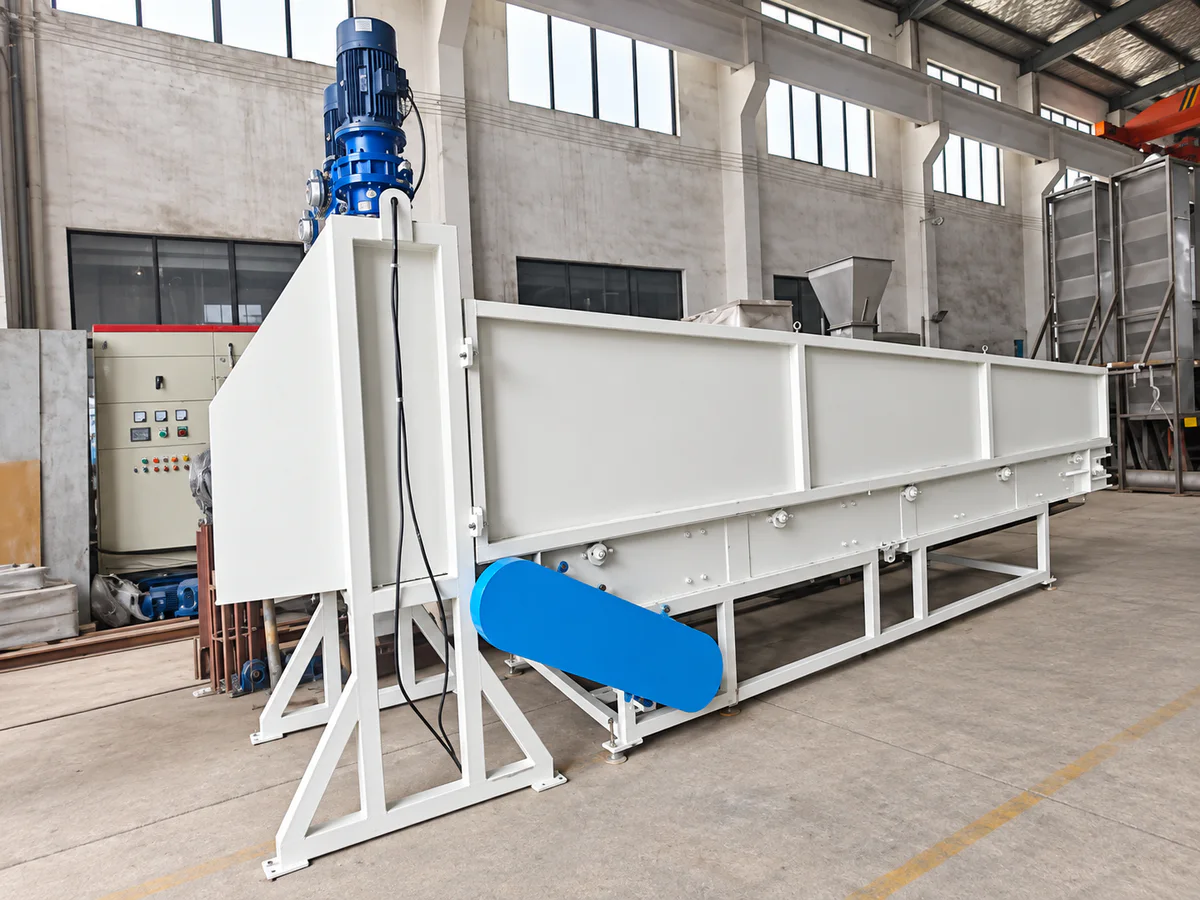
Bale Opener
Breaks apart compressed bottle bales for a steady, controlled feed.
 01
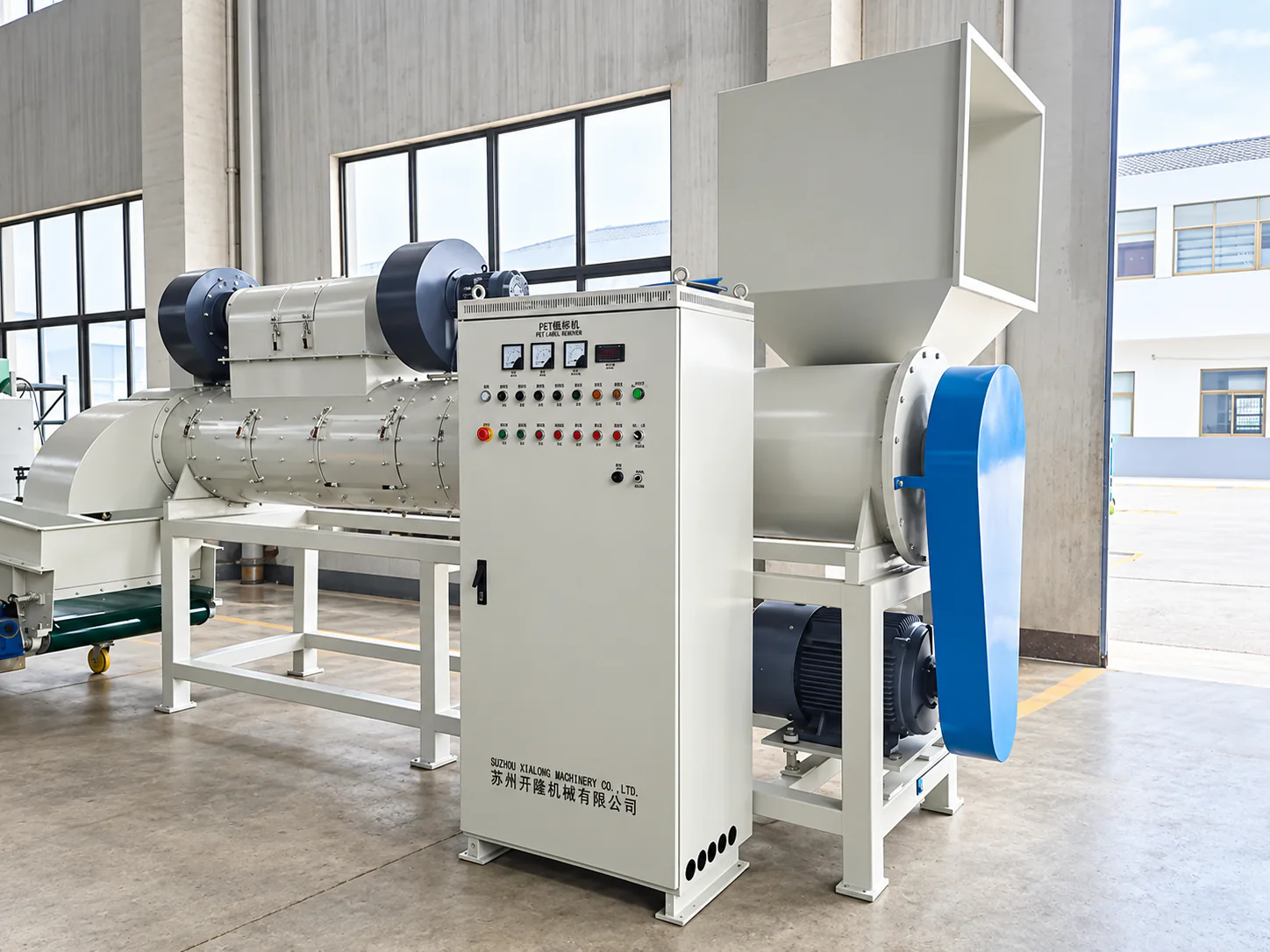
01Label Remover
Strips PVC and PET sleeves before bottles enter the washing stages.
 02
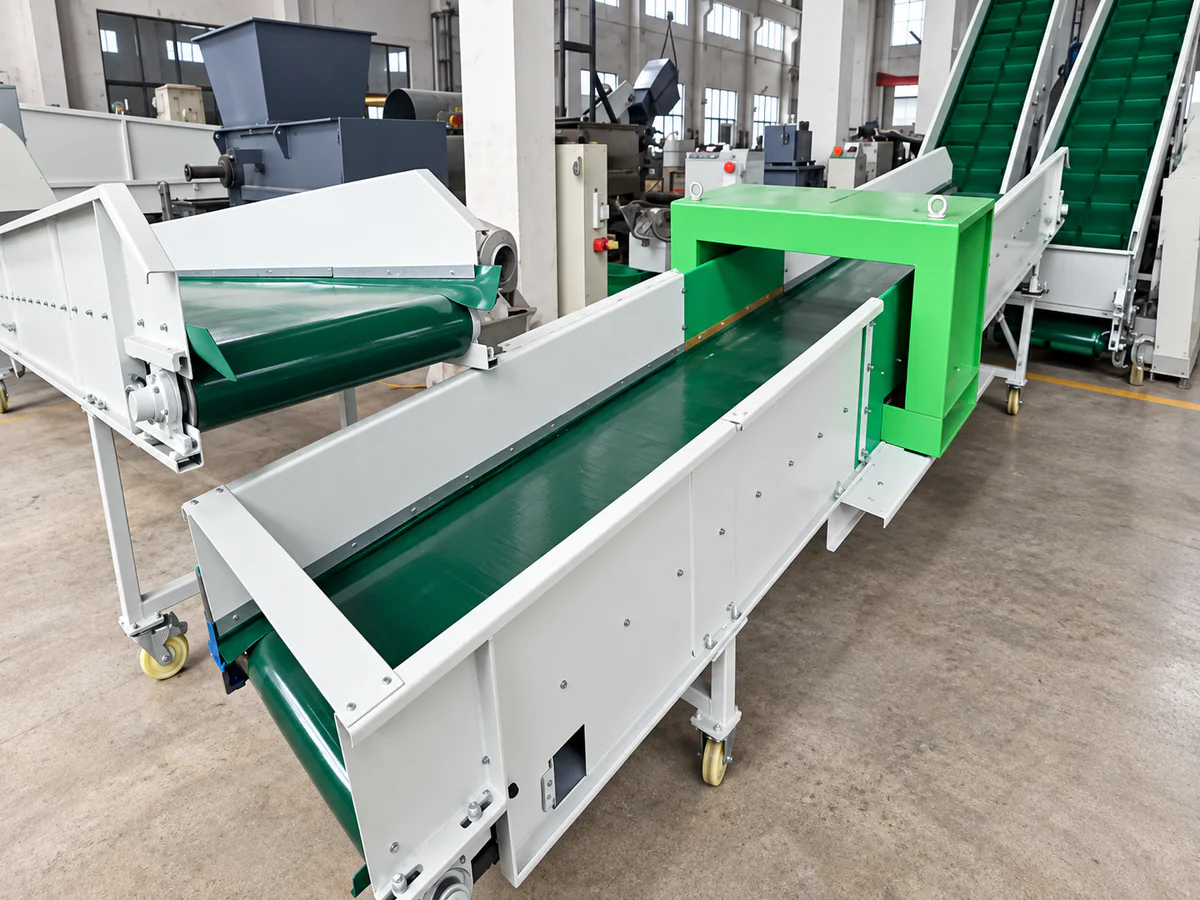
02Sorting Table
Gives operators a clear inspection point for removing non-PET material.
 03
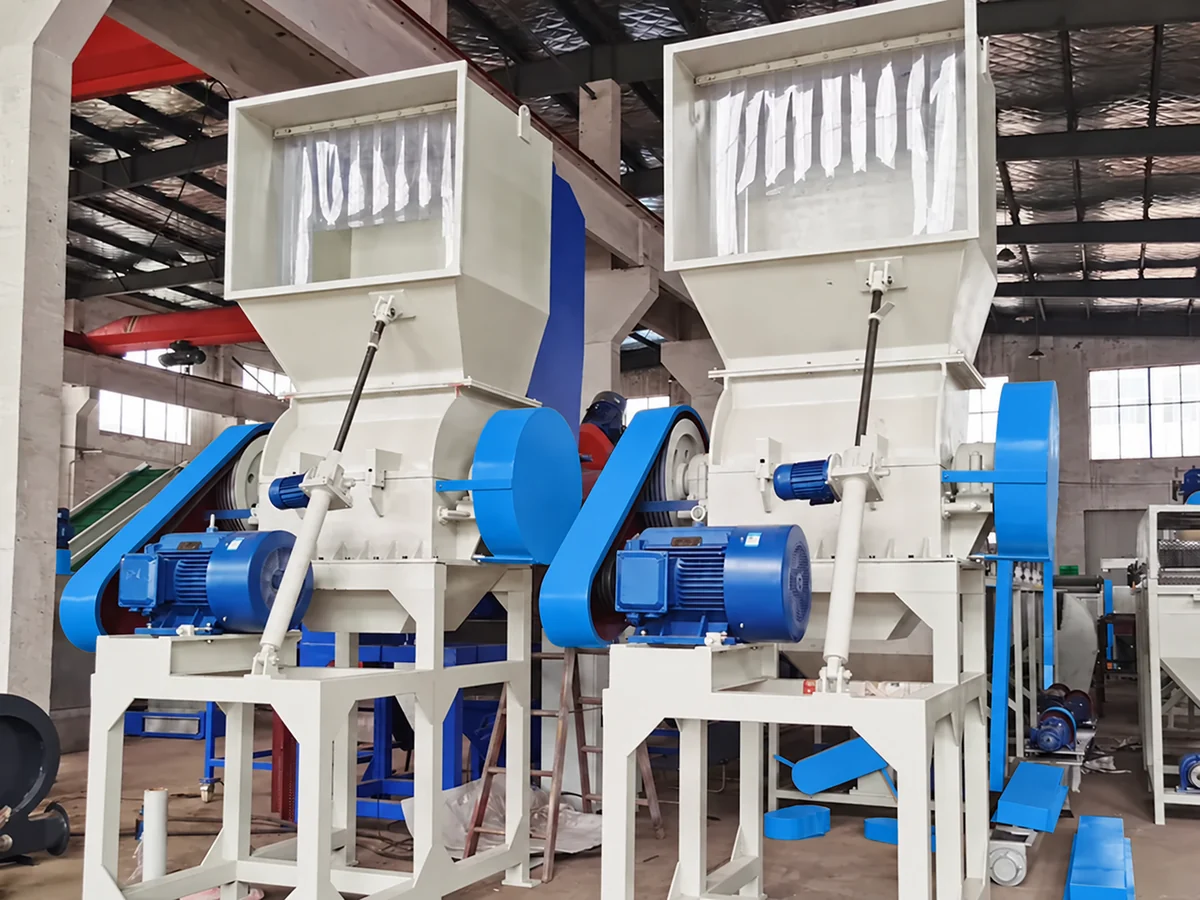
03Crusher
Cuts bottles into consistently sized flakes with water-assisted crushing.
 04
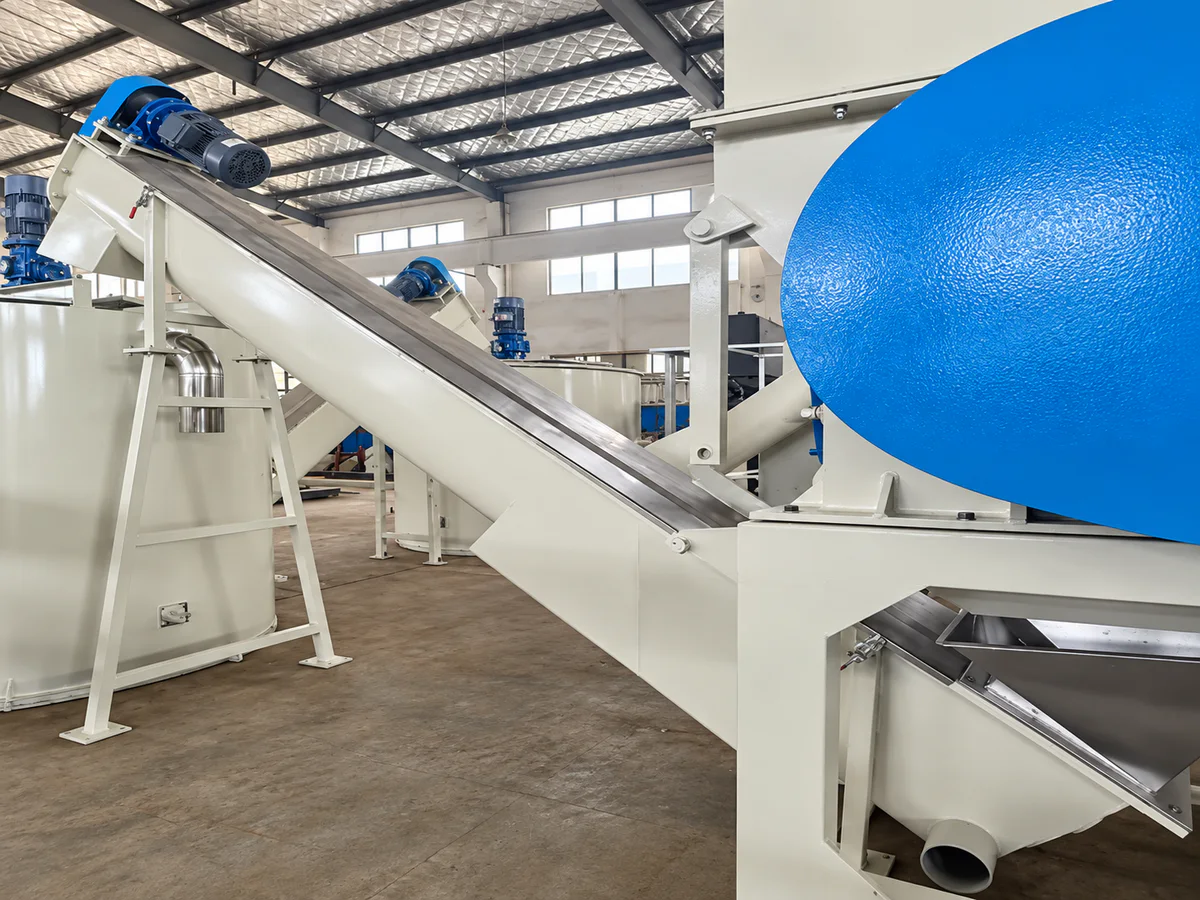
04Screw Loader
Transfers flakes steadily between connected washing modules.
 05
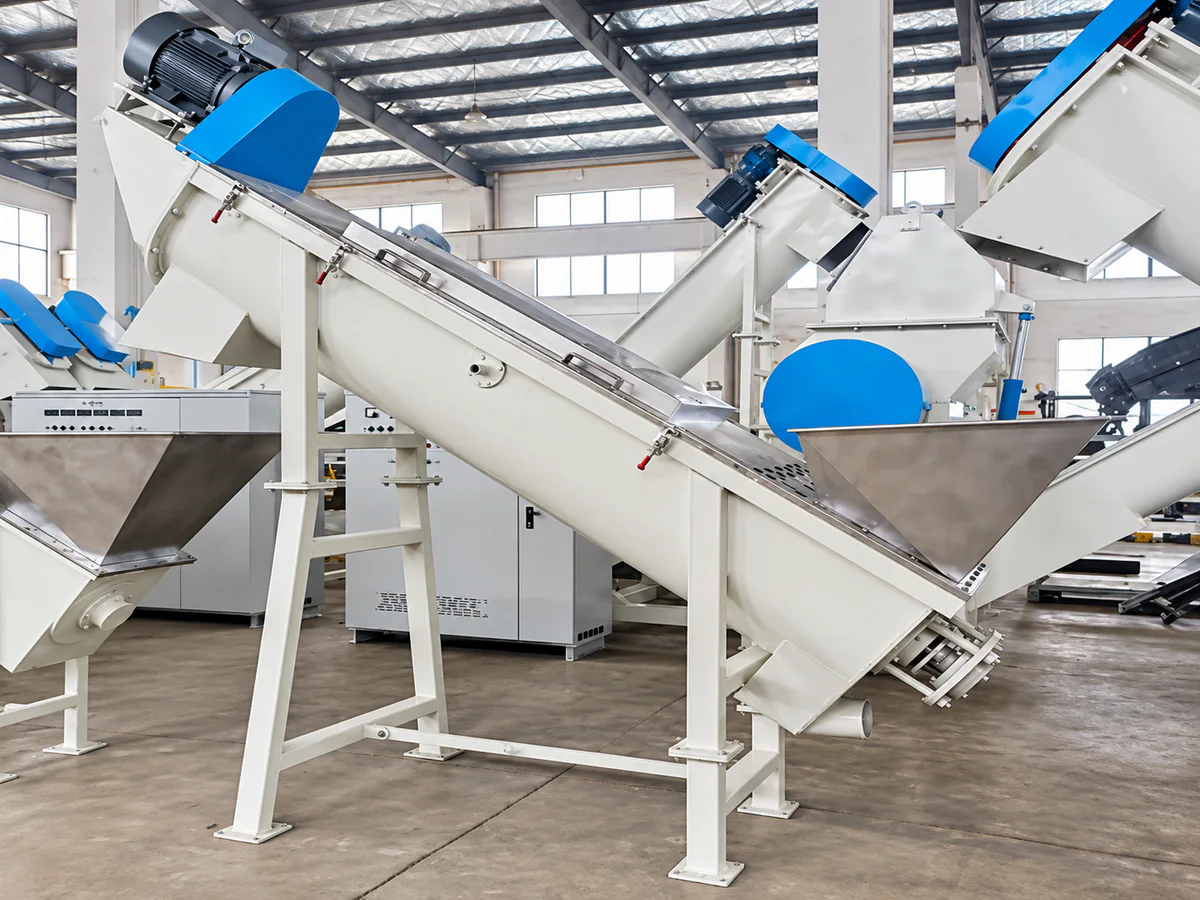
05Friction Washer
Uses high-speed friction to scrub away dirt, glue, and label residue.
 06
06Hot Washer
Applies heated water and detergent to release stubborn contamination.
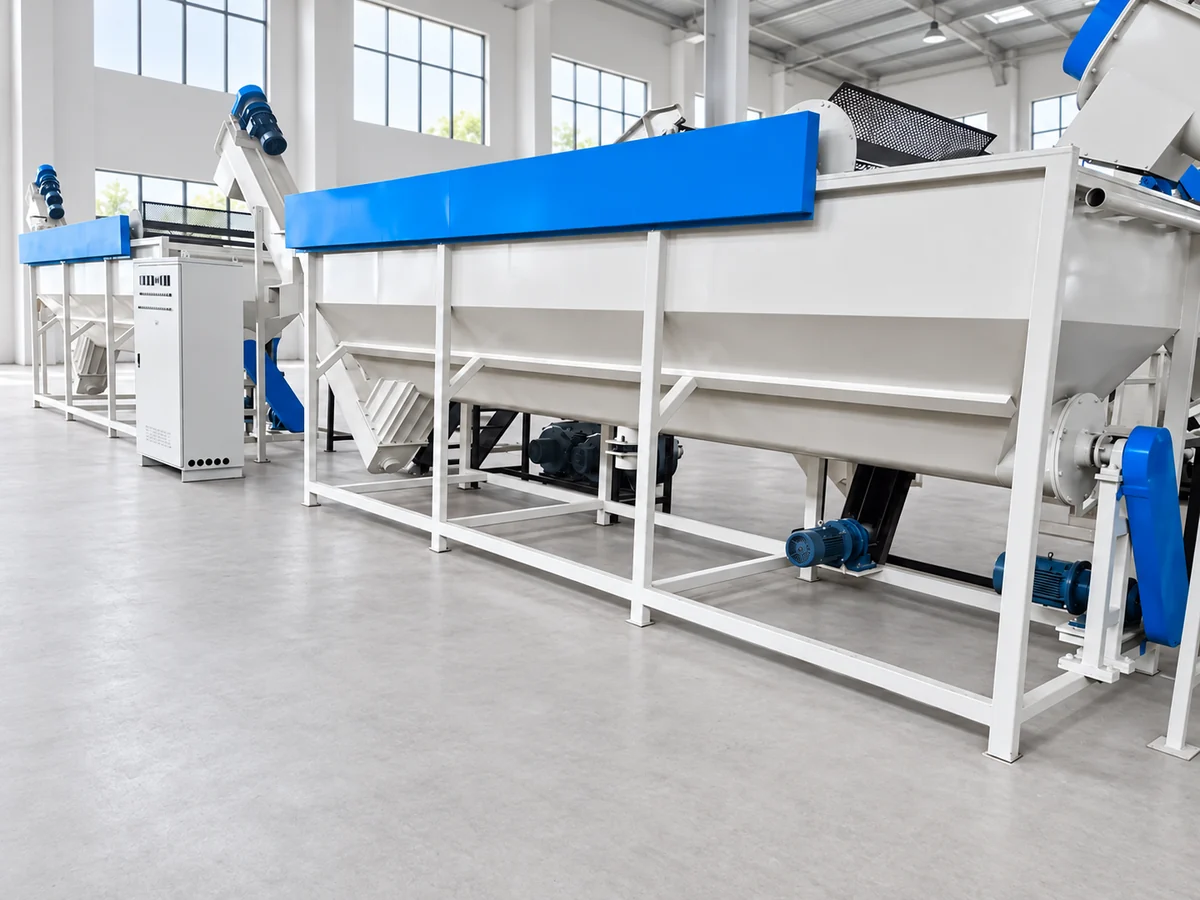
07Washing Tank
Separates PET from floating caps and labels through density separation.
 08
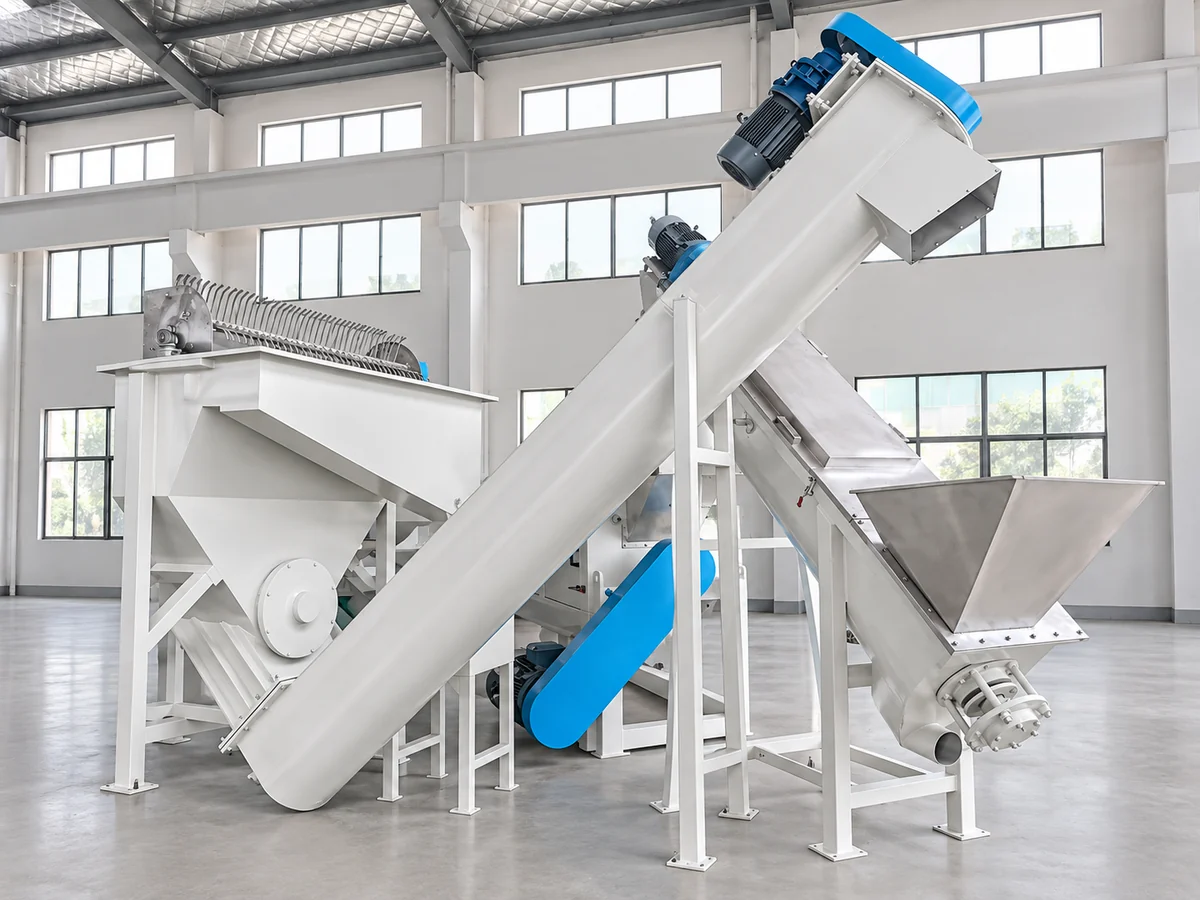
08Washing Tank Screw Loader
Lifts clean flakes from the tank while allowing excess water to drain.
 09
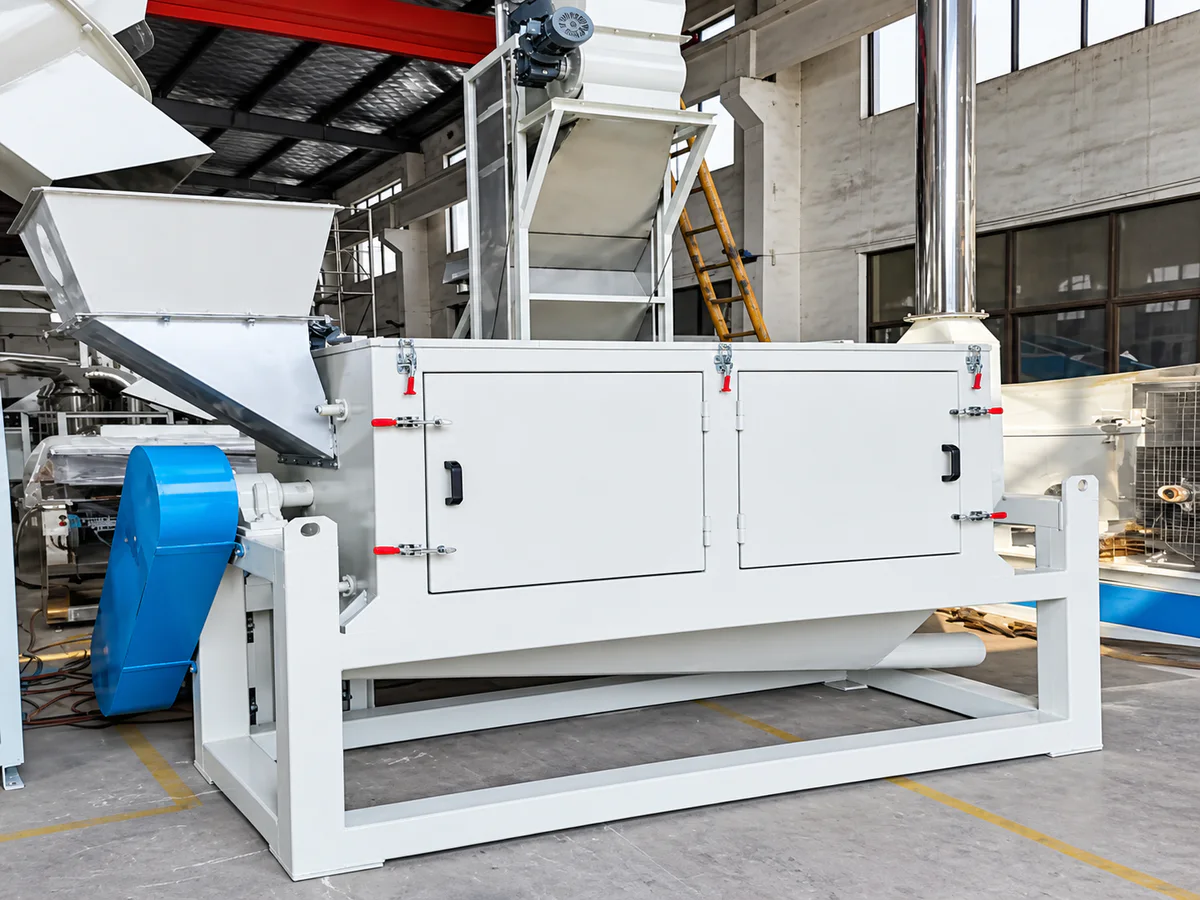
09Horizontal Drying Machine
Mechanically removes surface moisture before final purification.
 10
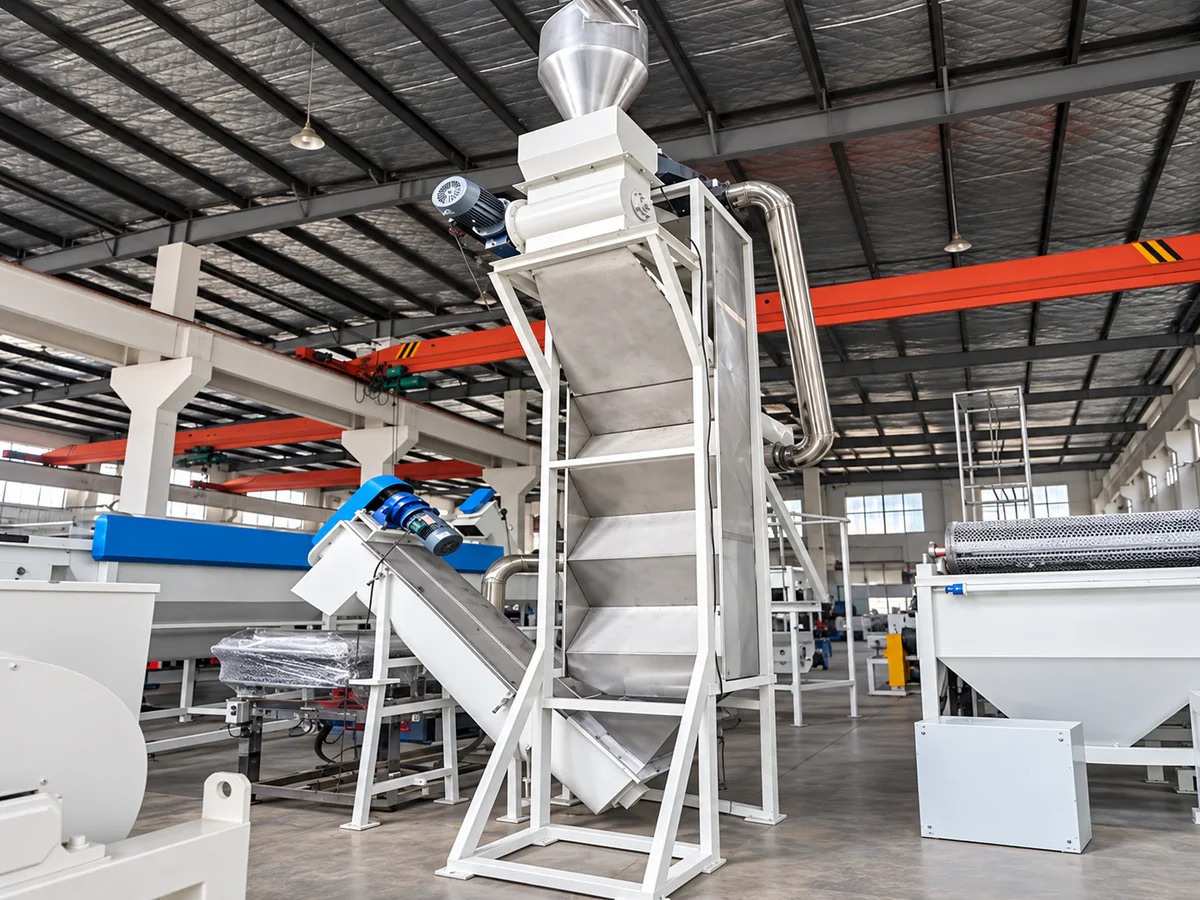
10Label Separator
Removes remaining lightweight label fragments from the clean PET stream.
 11
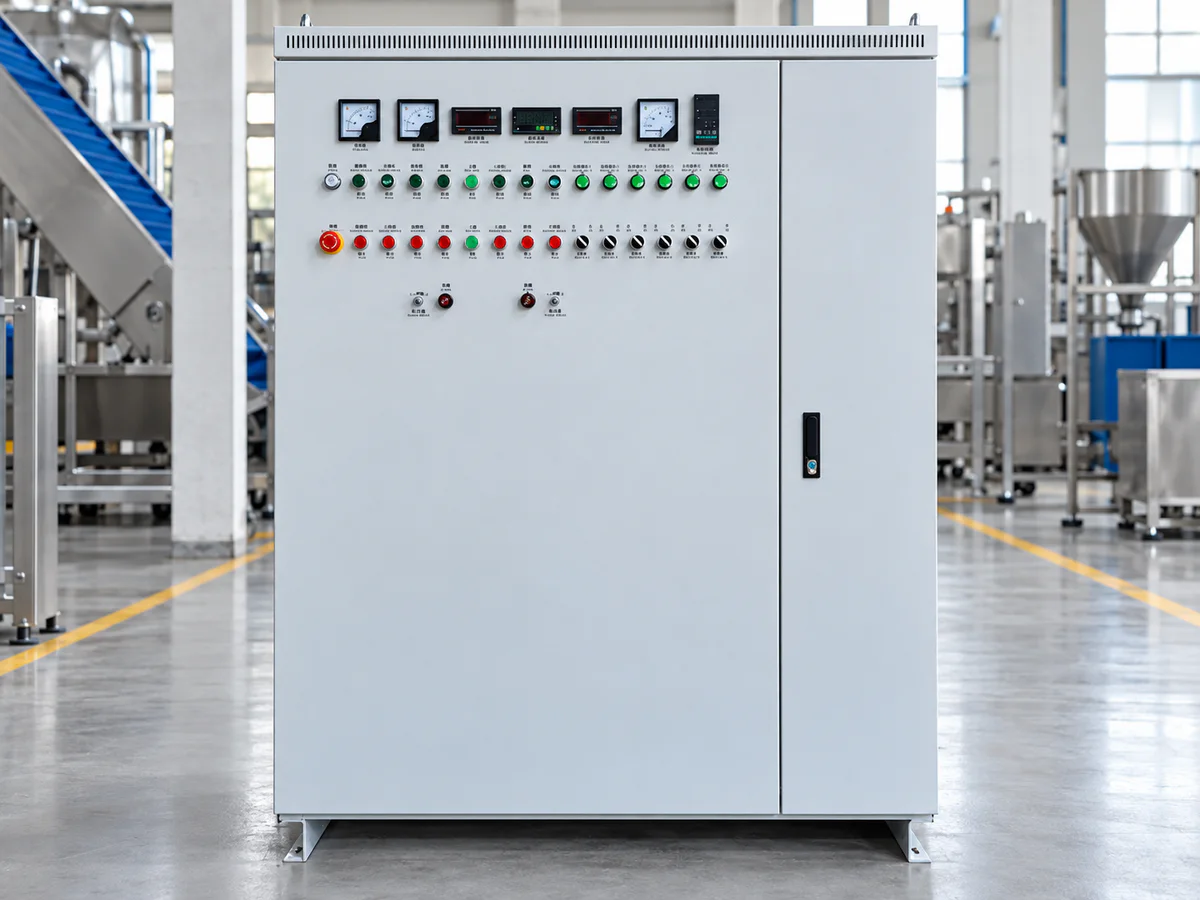
11Electric Cabinet
Coordinates automation, protection, interlocks, and whole-line control.
 12
1202 — Technical parameters
Choose the right capacity.
Final specifications are matched to your material, utilities, and target output.
Request configuration guidance ↗| Model | Capacity (kg/hr) | Installed Power (kW) | Power Consumption (kW/hr) | Detergent Consumption (kg/hr) | Water Consumption (m³/hr) | Manpower |
|---|---|---|---|---|---|---|
| KL-300 | 300 | 100 | 70 | 8 | 2~3 | 2~3 |
| KL-500 | 500 | 180 | 130 | 10 | 4~5 | 4~6 |
| KL-1000 | 1000 | 250 | 180 | 14 | 5~7 | 8~10 |
| KL-1500 | 1500 | 350 | 250 | 16 | 7~8 | 10~12 |
| KL-2000 | 2000 | 400 | 280 | 18 | 10~15 | 10~12 |
| KL-3000 | 3000 | 600 | 420 | 24 | 20~30 | 12~15 |
| KL-4000 | 4000 | 800 | 560 | 32 | 30~40 | 15~20 |
| KL-5000 | 5000 | 1000 | 700 | 46 | 40~50 | 15~20 |
Final specifications depend on the selected line configuration and project conditions.
KL-300
- Capacity (kg/hr)
- 300
- Installed Power (kW)
- 100
- Power Consumption (kW/hr)
- 70
- Detergent Consumption (kg/hr)
- 8
- Water Consumption (m³/hr)
- 2~3
- Manpower
- 2~3
KL-500
- Capacity (kg/hr)
- 500
- Installed Power (kW)
- 180
- Power Consumption (kW/hr)
- 130
- Detergent Consumption (kg/hr)
- 10
- Water Consumption (m³/hr)
- 4~5
- Manpower
- 4~6
KL-1000
- Capacity (kg/hr)
- 1000
- Installed Power (kW)
- 250
- Power Consumption (kW/hr)
- 180
- Detergent Consumption (kg/hr)
- 14
- Water Consumption (m³/hr)
- 5~7
- Manpower
- 8~10
KL-1500
- Capacity (kg/hr)
- 1500
- Installed Power (kW)
- 350
- Power Consumption (kW/hr)
- 250
- Detergent Consumption (kg/hr)
- 16
- Water Consumption (m³/hr)
- 7~8
- Manpower
- 10~12
KL-2000
- Capacity (kg/hr)
- 2000
- Installed Power (kW)
- 400
- Power Consumption (kW/hr)
- 280
- Detergent Consumption (kg/hr)
- 18
- Water Consumption (m³/hr)
- 10~15
- Manpower
- 10~12
KL-3000
- Capacity (kg/hr)
- 3000
- Installed Power (kW)
- 600
- Power Consumption (kW/hr)
- 420
- Detergent Consumption (kg/hr)
- 24
- Water Consumption (m³/hr)
- 20~30
- Manpower
- 12~15
KL-4000
- Capacity (kg/hr)
- 4000
- Installed Power (kW)
- 800
- Power Consumption (kW/hr)
- 560
- Detergent Consumption (kg/hr)
- 32
- Water Consumption (m³/hr)
- 30~40
- Manpower
- 15~20
KL-5000
- Capacity (kg/hr)
- 5000
- Installed Power (kW)
- 1000
- Power Consumption (kW/hr)
- 700
- Detergent Consumption (kg/hr)
- 46
- Water Consumption (m³/hr)
- 40~50
- Manpower
- 15~20
03 — Final product
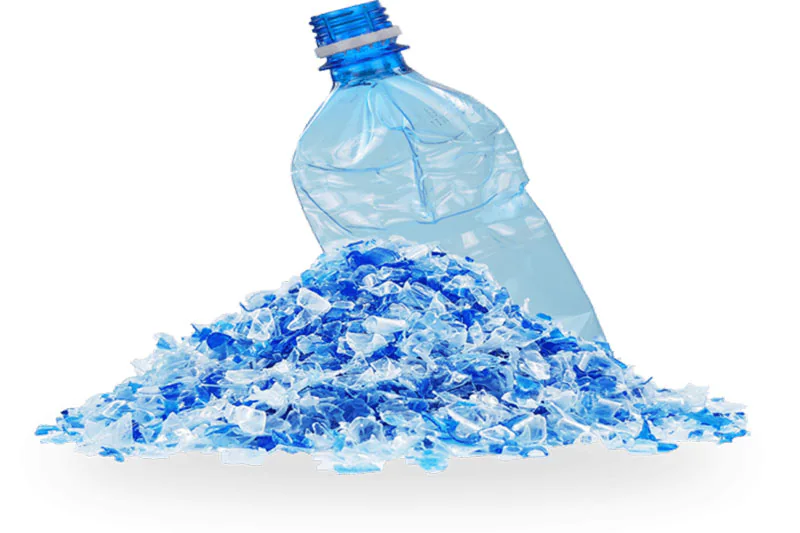
Clean flakes. Multiple next uses.
PET flakes can return to bottle, fiber, sheet, and film production.
 01
01Bottle-to-Bottle Recycling
Clean PET flakes prepared for further processing in circular bottle production.
 02
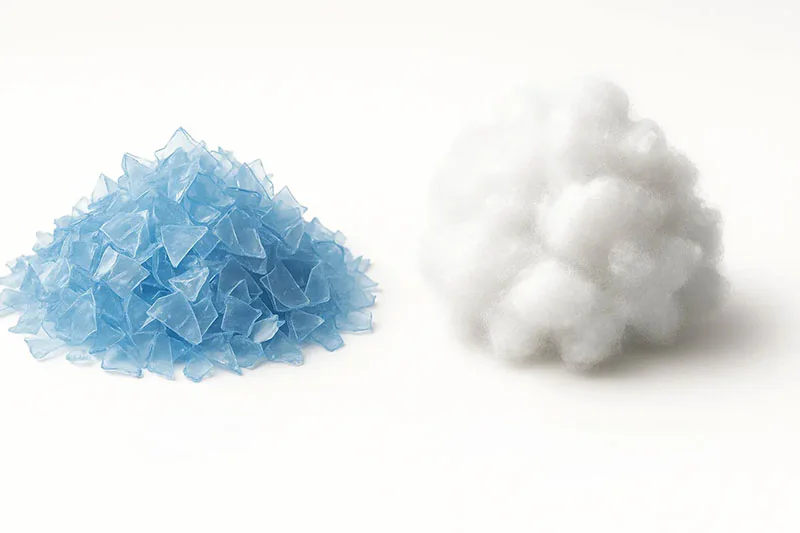
02Polyester Fiber / Textile
Recycled feedstock for polyester staple fiber and textile applications.
 03
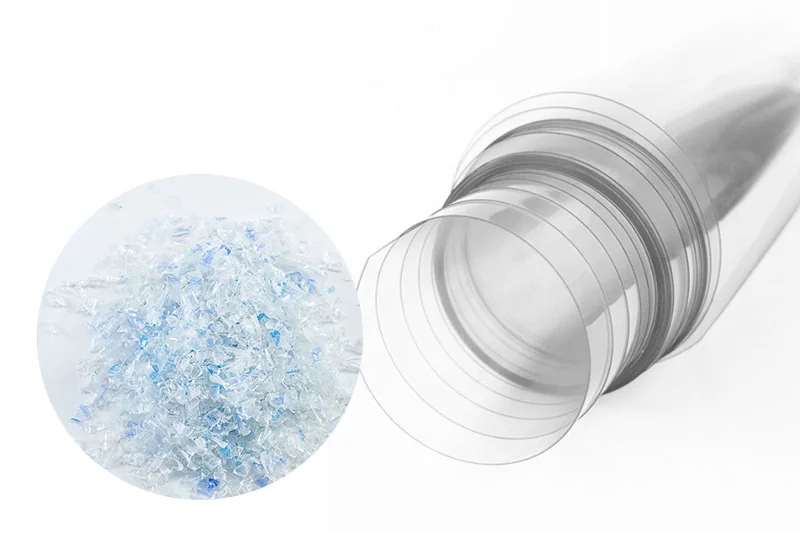
03PET Sheet & Film
Consistent flakes for downstream sheet and film extrusion.
Next step
Define your PET washing line.
Share your bottle condition, target throughput, and intended output so the machinery team can discuss a suitable configuration.
Start project inquiry